Pantheon of Wonder
Essay

10 Easy Steps to Healthy Office Design
by Maria Lorena Lehman
Architectural Design
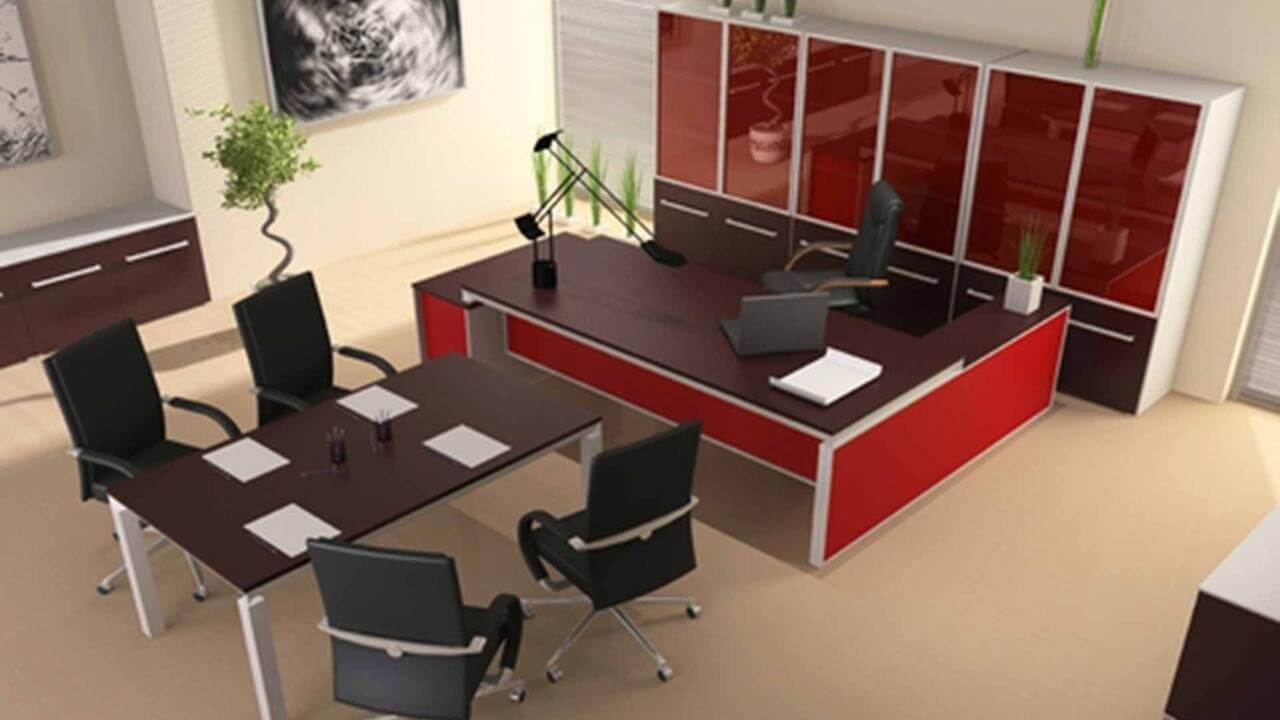
The nature of the way we work in offices has changed over the years. Yes, ergonomics has arisen as key to comfort; but, with the advent of the technology revolution even our brains need to be kept in healthy environments. As a result of the computer age, workers are constantly busy – at times even deprived of person-to-person interaction. While bodies sit still, worker brains are influenced by the internet, email, cell phones, videos and all else that can be found via the digital age.
So, what is the best way to design an office that is healthy and includes (even embraces) technology? How can offices help eliminate what Scientific American Mind recently termed “digital [mental] fog” in their article Meet Your iBrain? Digital fog is important to eliminate because it contributes to worker error, mental burn-out and general unwanted stress. Over time, unhealthy environments can ultimately lead to actual cognition impairment and eventual depression.
Since so many hours are devoted to office work, office design should place emphasis on what makes for a healthy workday. Here is my list of 10 simple steps toward design that lessens technology’s negative effects. These helpful tips also contribute to greater comfort, efficiency and overall less employee stress.
1. Include places that give your eyes a rest. Have nature, artwork or a window view to help reduce strained eyes that should not stare at computer technology all day.
2. Provide both natural light and well-planned task lighting. Offices need lighting that counters monitor light. Also, well lit areas should allow for healthy desk-writing, bulletin-board reading and bookshelf scanning.
3. Offer a place for quiet breaks or peaceful meditation. It is important for workers to relax during the workday by providing even a micro-space that is serene by feeding the senses. Think sand garden or other feature for contemplation.
4. Make organization easy. Use functional office design techniques for efficient paperwork and file organization. Setup systems that complement the occupant’s working style.
5. Prevent information overload. Fuse technologies together – allow data to feed from one technology to the other without redundancy. (For example, avoid reading the same email on different computers, cell phones, etc.)
6. Don’t forget to factor chair, desk and mouse ergonomics. This is so important. If your body isn’t adjusted and comfortable, all else will suffer.
7. Keep technology in check…don’t let technologies take over an office. It is important to mentally (or physically) unplug at certain times during the workday. Provide office space and features for use during those times.
8. Provide place for human interaction. Counter the negative effects of too much technology by creating friendly space for meetings and impromptu interactions with people.
9. Allow office workers to make their mark. Designed office space should allow workers to personalize certain areas. It is also important to allow these areas to change over time – for example, to complement seasons or worker mood during the day. Workers need some control over their environment.
10. Clear pathways and reduce travel-times. Place most used items within reach and make pathways always accessible. This not only makes an office more functional but is key to making it efficient.
In the end, it is important to remember that successful office design should let workers be in control. Control over how an office functions and feels goes far to alleviate stress — ultimately boosting self-esteem. When coordinated correctly, office design and technology can harmonize; eventually to improve worker morale both physically and mentally. As workers use technology to improve their abilities to pay attention, multi-task and mine data it is also key that they stay connected through their environment. Office design is vital to having healthy workers.
Image Credit: © Jolob | Dreamstime











Maria Lorena Lehman has received the following awards and has been seen in the following publications: