Pantheon of Wonder
Essay

5 Reasons Augmented Reality is Good for Architecture
by Maria Lorena Lehman
Virtual Reality
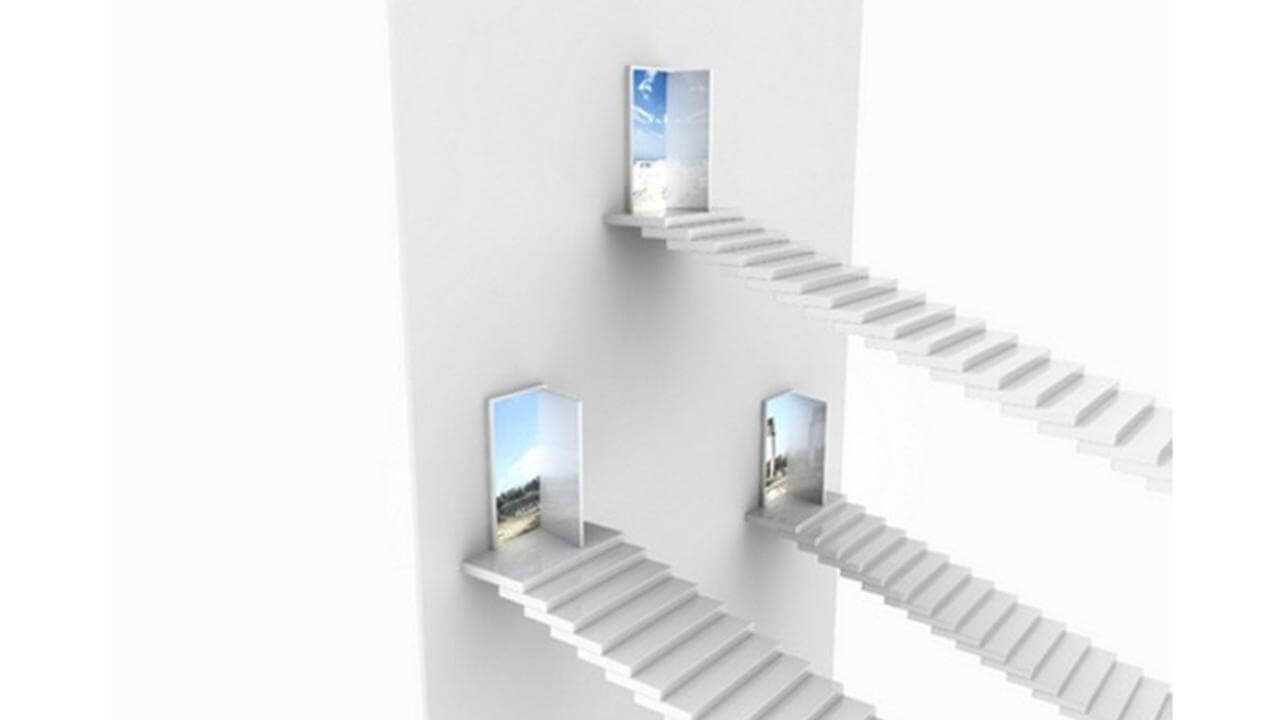
Architecture is getting better at connecting — linking you to more environments, information and people all over the world. Augmented reality is a big reason why.
You see, technologies that cater to augmented reality will act as ‘portals’ that link you to information, communities and destinations in real-time. Such advances are changing the way you experience architecture, both aesthetically and functionally.
Now, here’s what I’ve been thinking…
Augmented reality is likely to have a major impact on buildings as more and more technologies surface. Virtual reality can help us do things better and help us enjoy the act of getting them done. Here are the top five reasons why I think augmented reality will really be able to help buildings (and, thus, the people that inhabit them):
1) EXPLORE:As virtual reality technologies are able to bridge the gap by getting rid of distance, building occupants will be able to virtually travel to far-away lands. Just imagine seeing, hearing, smelling (and, yes, tasting and touching) some of the wonders that make a culture what it is.
For example, technologies found within our buildings will be able to transport us back in time to re-creations that help us learn more about history. Architectural environments may not be limited to a real set of geographical coordinates – virtual traveling within buildings will turn them into a sort of augmented reality “transportation vessel”.
2) RELAX:Offices or any other place where you may want to de-stress will be able to treat your senses with stimuli that are relaxing to you. It’s like your “nature sounds” alarm clock; but, in its ultimate form.
Suddenly, your office has “relaxation’ settings –- augmenting your workday by relaxing you and making you more efficient. Augmented reality will be able to bring you the best from both “worlds”.
Eventually, homes will have virtual reality technologies embedded within them too. These will be able to help you; for example, by assisting with your healthcare, exercise regiment, or even your diet — all of which will help you de-stress and live healthier.
3) LEARN:Think of a surgeon performing a complex procedure. Already, technologies exist to augment the surgeon’s tasks. For instance, a three-dimensional display of an identical and virtual model procedure can assist the surgeon as he or she performs. Thus, buildings become more efficient for those performing complex tasks as virtual models can help guide performance in real-time.
Similarly, museums can make use of such augmented reality technologies. As museum visitors explore an exhibit, technologies can teach via augmented reality to help them learn the exhibit’s core messages.
4) SOCIALIZE:Augmented reality will be a great way to visit with your family and friends, or attend a business meeting. Already we use telephones, video-conferencing and other forms of communication to do some of this. But, imagine what will happen when buildings get more virtual reality capabilities. It might be possible to share a taste, a scent or even a virtual handshake or hug.
5) PLAY:Yes, video games today really do make use of virtual reality. Role play games, like Second Life, are prime examples of what can be done in virtual worlds.
However, I imagine that a new breed of architectural “rooms” will be designed as augmented reality becomes more mainstream. Just think, a new sort of “game room” or an interactive “movie room”. Playing will be seamlessly more physically interactive.
Really, the possibilities are endless …
Have You Heard of 'HeterArchitecture'?
To continue exploring this topic, I suggest that you read the book Disappearing Architecture. It is fascinating because it discusses the coined term: ‘heterarchitecture’; where real space and virtual space are “literally superimposed” — so much that architecture will “obey rules of quantum mechanics rather than classical physics. I find this notion to be quite interesting (especially when you read about all of the implications.)
Disappearing Architecture contains great writings by authors William J. Mitchell, Georg Flachbart, Peter Weibel, Kas Oosterhuis and many more. This is definitely worth a read.
Here is the link: Disappearing Architecture: From Real to Virtual to Quantum
Image Credit: © Chernetskiy | Dreamstime











Maria Lorena Lehman has received the following awards and has been seen in the following publications: