Pantheon of Wonder

Essay

Abstraction of Colorful Light

How Poetics of Place Determines Level of Impact

by Maria Lorena Lehman

Architectural Design
Architecture Drawing

Architecture Can Do More

As an architect designing environments, it is important to strive for highest level design poetics. This allows one’s project to engage building occupants more fully. Yes, a building can meet a certain level of function and aesthetic requirements – and this may serve occupants by providing for their basic needs. But how can your architecture do more for occupants? To help them in new ways, and to engage them with an experience that leaves them better off because of their interaction with your building?

The Role of Poetics

When an architecture is designed with a high level of poetics, the level of positive impact upon its occupants increases. This is because function, aesthetics, and meaning converge to uplift occupants’ lives in new ways – either moment by moment as they experience the environment and/or after they have left the environment but are transformed due to their experience within its spaces.

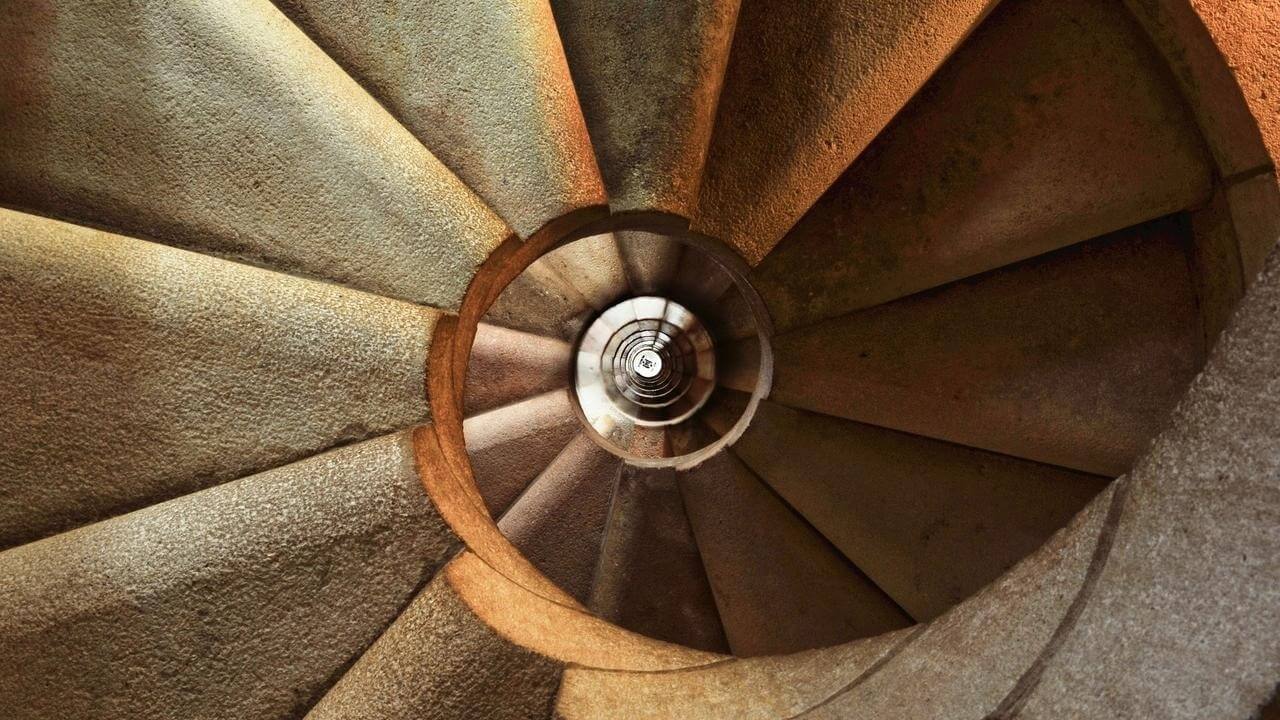
To help you better understand how to use poetics to heighten architectural experience, just imagine how a staircase can be designed. For instance, does the staircase only serve the function of getting an occupant from one building level to the next? Or does the staircase also provide an experience that transcends travel? You many wonder how a staircase can reach poetic heights in this way. For this, it is important to note that a staircase can be used to transition a person from one space to another, as they process what they experienced on one level and prepare for what they will experience on the next level. Or, perhaps the staircase evokes a unique experience in its own right as the journey an occupant takes through it behaviorally guides them, intellectually teaches them, or emotionally inspires them. As you can see, the staircase gains greater, more positive, impact when it reaches highest poetic realms.

Does Your Architecture Reach Poetic Heights?

What if your entire architectural environment could work as an orchestrated poetic experience of the highest quality. What positive impact would you want to make upon your building occupants through this architectural experience? A key to achieving this type of heightened poetic quality within your design is to think and create architecture through a multi-sensory design methodology. After all, when an architecture’s material, technological, and natural stimuli are synergistically designed to feed occupant senses, then you are taking important steps toward reaching higher level architectural poetics.

I invite you to ask yourself: Does my architecture reach poetic heights in a way that positively engages and impacts building occupants for both short and long term benefits? And what do building occupants gain after experiencing your buildings? Is it merely a place where they can function? Or are these environments forming places that uplift the human mind, body, and spirit? With proper multi-sensory design, you can achieve the latter – an architecture that transcends through poetics.

Image Credit: © Stokpic | Pixabay

Your invitation:


Dear reader,


I believe life is a continual process of awakening. As the journey of my own life continues, I always find myself connecting my experiences, studies, and ideas to new creative projects that bring beauty, inspiration, and hope for our world. For over 30 years, since starting at age 17, I have immersed myself in architectural design; and early on, I earned a Master of Design with Distinction from Harvard University, setting the foundation for decades of deep immersion in the field. Yet even before this, I held music close to my heart. At the age of 5, I began my first piano lessons; and since then, I began to see the world through a musical lens — even while designing architecture.


Over the decades, I grew closer and closer to music with a deep love for the design of instruments, their unique timbres, and for all the immersive ways their sounds could be interwoven into beautiful orchestrated compositions. I even began to develop a musical composition methodology, Spatial Symphonics, as I found my architectural design work becoming more and more emotive, soul-stirring, and yes: musical.


In recent years, I finally turned my focus to music composition. I hold a Graduate Diploma from the Film Scoring Academy of Europe where my works have been recorded by the acclaimed European Recording Orchestra (ERO), and I am founder of MLL ATELIER® — an award-winning studio now dedicated to my work as an orchestral composer, recording artist, and spatial symphonist — where I advance architectural design through music, and innovate music through an architectural design lens.


It is my hope that I can share my ongoing musical-design journey with you, directly from my studio through my video-newsletter entitled 'Orchestral Notes'. Expect video updates filled with first-access studio news announcing: album/book releases, concert premiers, sheet music publications, creative process sneak-peeks, and my own compositional philosophies as they develop to fuel my ongoing body of musical and architectural authorial works.


I would love for you to join me for this exciting adventure.


Simply click the button below to join my Orchestral Notes video-newsletter delivered every two weeks directly to your email inbox. Plus, get access to the full publication archives.

Let’s enjoy the beauty, inspiration, and hope that music brings.


Thank you for joining me on this wondrous journey.


Warmly,

Maria Lorena Lehman


Founder of MLL ATELIER® | Orchestral Notes

Your invitation:


Dear reader,


I believe life is a continual process of awakening. As the journey of my own life continues, I always find myself connecting my experiences, studies, and ideas to new creative projects that bring beauty, inspiration, and hope for our world. For over 30 years, since starting at age 17, I have immersed myself in architectural design; and early on, I earned a Master of Design with Distinction from Harvard University, setting the foundation for decades of deep immersion in the field. Yet even before this, I held music close to my heart. At the age of 5, I began my first piano lessons; and since then, I began to see the world through a musical lens — even while designing architecture.


Over the decades, I grew closer and closer to music with a deep love for the design of instruments, their unique timbres, and for all the immersive ways their sounds could be interwoven into beautiful orchestrated compositions. I even began to develop a musical composition methodology, Spatial Symphonics, as I found my architectural design work becoming more and more emotive, soul-stirring, and yes: musical.


In recent years, I finally turned my focus to music composition. I hold a Graduate Diploma from the Film Scoring Academy of Europe where my works have been recorded by the acclaimed European Recording Orchestra (ERO), and I am founder of MLL ATELIER® — an award-winning studio now dedicated to my work as an orchestral composer, recording artist, and spatial symphonist — where I advance architectural design through music, and innovate music through an architectural design lens.


It is my hope that I can share my ongoing musical-design journey with you, directly from my studio through my video-newsletter entitled 'Orchestral Notes'. Expect video updates filled with first-access studio news announcing: album/book releases, concert premiers, sheet music publications, creative process sneak-peeks, and my own compositional philosophies as they develop to fuel my ongoing body of musical and architectural authorial works.


I would love for you to join me for this exciting adventure.


Simply click the button below to join my Orchestral Notes video-newsletter delivered every two weeks directly to your email inbox. Plus, get access to the full publication archives.

Limited availability each month.


Warmly,

Maria Lorena Lehman


Founder of MLL ATELIER

Author of PANTHEON OF WONDER

Maria Lorena Lehman has received the following awards and has been seen in the following publications: