Pantheon of Wonder
Essay

Top 10 Ways Architecture and Nature Can Harmonize
by Maria Lorena Lehman
Building Green
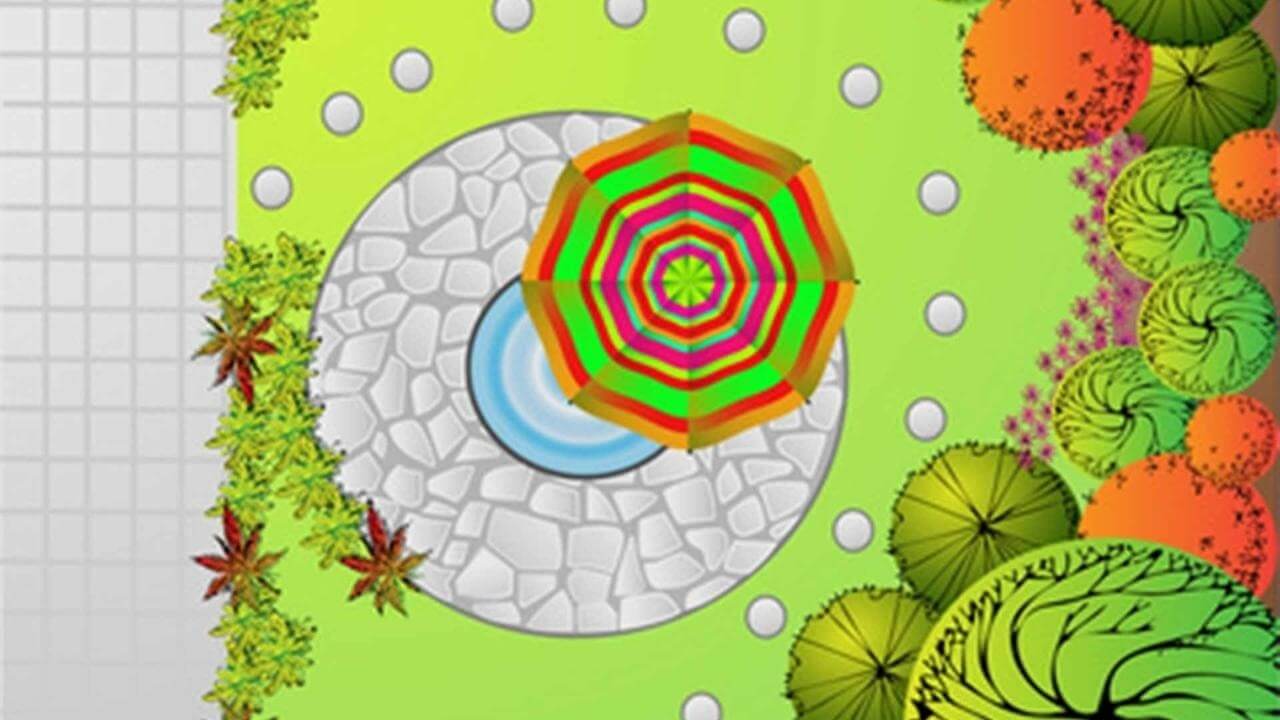
While built form is designed to protect occupants from the forces of nature, it is also designed to harmonize and connect occupants with nature anew. For this reason, it is important to more deeply explore the connection between architecture and nature – to better understand what other opportunities reside between these two extremes.
When considering whether it is possible to design for protection from and connection with nature simultaneously, one needs to see nature, in all its patterns, as an educational tool from which architecture can learn. The following list will teach you how to shift your mindset for design decision-making to extract, complement, and harmonize with the benefits nature provides.
Top 10 Ways Architecture and Nature Can Harmonize
Site Contextual Analysis: Use your building’s site to inform your concept’s grand gesture. This surrounding context will give you amazing guidance, inspiration, and resources from which to pull to create an extraordinary design.
Weather Pattern Response: An architecture that is responsive can be designed to sense and behave according to weather patterns. Just imagine if a building could transiently change its own behavioral language according to solar intensity, precipitation, or wind intensity.
Biomimicry in Design: Nature offers many design lessons to help one innovate strategically within a design. For example, one can configure new ways to use materials or frame a problem by observing and analyzing how nature solves for a particular problems with its own materials.
Integrate Occupant-Nature Relationships: When designing environments, it is advantageous to learn more deeply about your occupants’ relationship with nature. By understanding how your occupant likes to experience nature, you will know much better how to design for their working or living experience. For example, one occupant my love the rain, while another occupant prefers sunny days.
Push Materiality Further: By understanding the nature of your building materials, you can push what they do within your design even further. Ask yourself: What can this material do to express and provide an environment that exudes the functionality and aesthetics within which my clients would thrive?
Consider Boundary: The inherent boundaries that you design into environments can divide or unite occupants from nature. Within your own designs, it is helpful to be aware of boundaries that allow for visual nature (glass partition) or acoustic nature (open window). Consider what sensory modality boundaries are blocking or connecting occupants with nature.
Injecting Natural Elements: Nature can be injected into living or working environments as micro-elements. For instance, a stone sculpture that can be touched by occupants or a semi-indoor garden that emits beautiful scents can bring the nature within when possible. Interior and exterior environments can play-off of one another to create build spaces that use nature as an element that fuses them together.
Nature Immersion: Your building design can also be made to become one with nature, as it takes your occupants on a journey to experience nature to its fullest. For such a project, one may ask: Where does the building end, and the nature begin?
Nature for Approach and Departure: For your architecture, consider the role and design of nature as it contributes to supporting the way your occupants enter and exit your building. How does nature and its presentation help occupants to prepare for the built environment they will experience? And how does the nature help occupants to process and remember what they have experienced once your building has been exited. Nature can serve as experiential “bookends” to your project.
Interaction with Transient Natural Elements: Your building can interact with nature transiently: when the sun moves across the sky, or the wind changes intensity, or the temperature drops. As you design, ask: How can this architecture “dance” with nature to create entirely new experiences for occupants?
Image Credit: © jelena zaric | Fotolia











Maria Lorena Lehman has received the following awards and has been seen in the following publications: