Pantheon of Wonder

Essay

Abstraction of Colorful Light

Top 6 Ways Building Function Is Amplified By Digital Screens

by Maria Lorena Lehman

Technology
Architecture Drawing

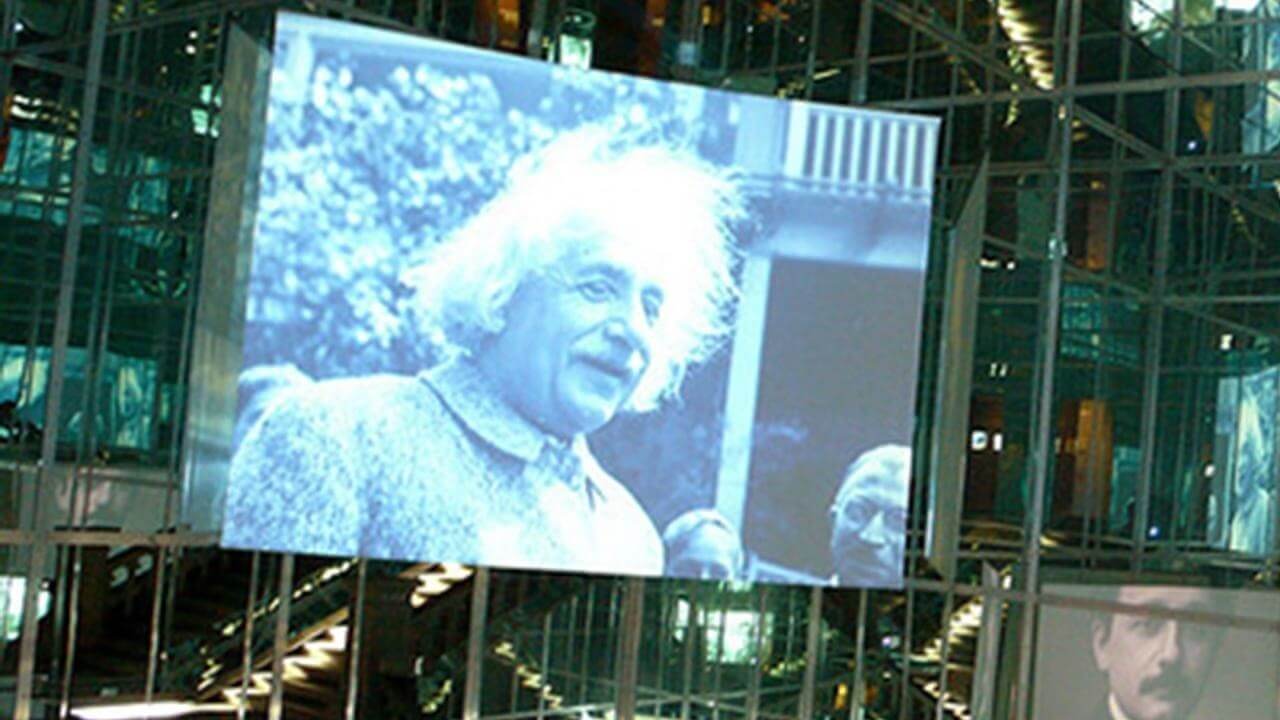
Just about everywhere you go, there is a digital screen within the built environment. Such digital screens can be in the form of television screens, computer screens or even interactive window screens. You see, each of the latter acts as a focal point or anchor within a space — sometimes detracting from building function, and other times adding to it. The critical factor becomes not only where such digital screens are placed, but also how they are used. As such, building function can benefit if they are used strategically.

Digital screens within different building types provide different functions. And yes, such building function can be amplified by such screens. The following is a list of six building types — explaining how they can use digital screens to improve, augment, and amplify the positive effects of the very functions they foster within.

  • 1) MUSEUM DIGITAL SCREEN USE: INTERACTIVITY — Within museums, computer screens or video screens can be used to educate. And they can take education to whole new level by allowing for interactivity. Many museums use digital screens to to do just this, and the result is likely better teaching, better retention of taught concepts, and an overall more enjoyable experience for visitors. By allowing digital screens to “bring home” concepts — visitors can enjoy more personalized museum experiences.

  • 2) HOME DIGITAL SCREEN USE: ENTERTAINMENT — Within homes, computer screens and television screens (and soon, interactive window screens) can be used for entertainment purposes. But that is not all. Such screens help people at home to do all sorts of things — from home exercise to interactive video games. The digital screen surface is revolutionizing the home building function by allowing for more activities to be carried out in the home.

  • 3) HOSPITAL DIGITAL SCREEN USE: INSTRUCTION — Within hospitals, computer screens and television screens are used by both medical staff and patients. Within the typical hospital building function, such screens are used to distract patients or even calm them (with nature scenes, for example). But so much more can be done. Perhaps within patient rooms, digital screens could be used to educate patients about their illness, its treatment, or their prescribed medication plan. The key is to not miss opportunity to use such digital screens to help building occupants in more ways. It’s critical to think creatively.

  • 4) SCHOOL DIGITAL SCREEN USE: EDUCATION — Within schools, computer screens and even presentation screens are being used to educate. Such screens assist teachers to teach and help students to learn. They can be interactive or presentational — and they can be used by a group of students or by individual students. Such screens can help students collaborate while learning, while also helping them to learn in more personalized ways.

  • 5) AIRPORT DIGITAL SCREEN USE: ORIENTATION — Within airports, digital screens are often there to provide information about where travelers should be headed. Information like gate numbers, flight times, and flight statuses need to be conveyed to visitors — and digital screens are perfect for this. You see, visitors benefit from such screens because they provide for a sense of orientation within what can be a very confusing environmental setting. Such screen technology helps to foster order and organization within airport environments.

  • 6) RETAIL DIGITAL SCREEN USE: ADVERTISEMENT — Within retail settings, digital screens are often used to advertise products, services, or actual store brands. They aim to help the retail stores market their merchandise, and this adds to the feel that a retail setting (like a mall) is meant for shopping.

As you can see from the latter six examples, digital screens can do more than simply distract building occupants. When used wisely, they can be placed in strategic locations and they can be embedded with innovative functions that can help building occupants immensely. The goal is not to overshadow architecture with the installations of screens everywhere, but is to instead carefully plan how such digital devices can be used to amplify the performance of building function.

Image Credit: © Casbr | Flickr

Your invitation:


Dear reader,


I believe life is a continual process of awakening. As the journey of my own life continues, I always find myself connecting my experiences, studies, and ideas to new creative projects that bring beauty, inspiration, and hope for our world. For over 30 years, since starting at age 17, I have immersed myself in architectural design; and early on, I earned a Master of Design with Distinction from Harvard University, setting the foundation for decades of deep immersion in the field. Yet even before this, I held music close to my heart. At the age of 5, I began my first piano lessons; and since then, I began to see the world through a musical lens — even while designing architecture.


Over the decades, I grew closer and closer to music with a deep love for the design of instruments, their unique timbres, and for all the immersive ways their sounds could be interwoven into beautiful orchestrated compositions. I even began to develop a musical composition methodology, Spatial Symphonics, as I found my architectural design work becoming more and more emotive, soul-stirring, and yes: musical.


In recent years, I finally turned my focus to music composition. I hold a Graduate Diploma from the Film Scoring Academy of Europe where my works have been recorded by the acclaimed European Recording Orchestra (ERO), and I am founder of MLL ATELIER® — an award-winning studio now dedicated to my work as an orchestral composer, recording artist, and spatial symphonist — where I advance architectural design through music, and innovate music through an architectural design lens.


It is my hope that I can share my ongoing musical-design journey with you, directly from my studio through my video-newsletter entitled 'Orchestral Notes'. Expect video updates filled with first-access studio news announcing: album/book releases, concert premiers, sheet music publications, creative process sneak-peeks, and my own compositional philosophies as they develop to fuel my ongoing body of musical and architectural authorial works.


I would love for you to join me for this exciting adventure.


Simply click the button below to join my Orchestral Notes video-newsletter delivered every two weeks directly to your email inbox. Plus, get access to the full publication archives.

Let’s enjoy the beauty, inspiration, and hope that music brings.


Thank you for joining me on this wondrous journey.


Warmly,

Maria Lorena Lehman


Founder of MLL ATELIER® | Orchestral Notes

Your invitation:


Dear reader,


I believe life is a continual process of awakening. As the journey of my own life continues, I always find myself connecting my experiences, studies, and ideas to new creative projects that bring beauty, inspiration, and hope for our world. For over 30 years, since starting at age 17, I have immersed myself in architectural design; and early on, I earned a Master of Design with Distinction from Harvard University, setting the foundation for decades of deep immersion in the field. Yet even before this, I held music close to my heart. At the age of 5, I began my first piano lessons; and since then, I began to see the world through a musical lens — even while designing architecture.


Over the decades, I grew closer and closer to music with a deep love for the design of instruments, their unique timbres, and for all the immersive ways their sounds could be interwoven into beautiful orchestrated compositions. I even began to develop a musical composition methodology, Spatial Symphonics, as I found my architectural design work becoming more and more emotive, soul-stirring, and yes: musical.


In recent years, I finally turned my focus to music composition. I hold a Graduate Diploma from the Film Scoring Academy of Europe where my works have been recorded by the acclaimed European Recording Orchestra (ERO), and I am founder of MLL ATELIER® — an award-winning studio now dedicated to my work as an orchestral composer, recording artist, and spatial symphonist — where I advance architectural design through music, and innovate music through an architectural design lens.


It is my hope that I can share my ongoing musical-design journey with you, directly from my studio through my video-newsletter entitled 'Orchestral Notes'. Expect video updates filled with first-access studio news announcing: album/book releases, concert premiers, sheet music publications, creative process sneak-peeks, and my own compositional philosophies as they develop to fuel my ongoing body of musical and architectural authorial works.


I would love for you to join me for this exciting adventure.


Simply click the button below to join my Orchestral Notes video-newsletter delivered every two weeks directly to your email inbox. Plus, get access to the full publication archives.

Limited availability each month.


Warmly,

Maria Lorena Lehman


Founder of MLL ATELIER

Author of PANTHEON OF WONDER

Maria Lorena Lehman has received the following awards and has been seen in the following publications: