Pantheon of Wonder
Essay

Urban Architecture – A Design Process of Co-Creation
by Maria Lorena Lehman
Urban Design
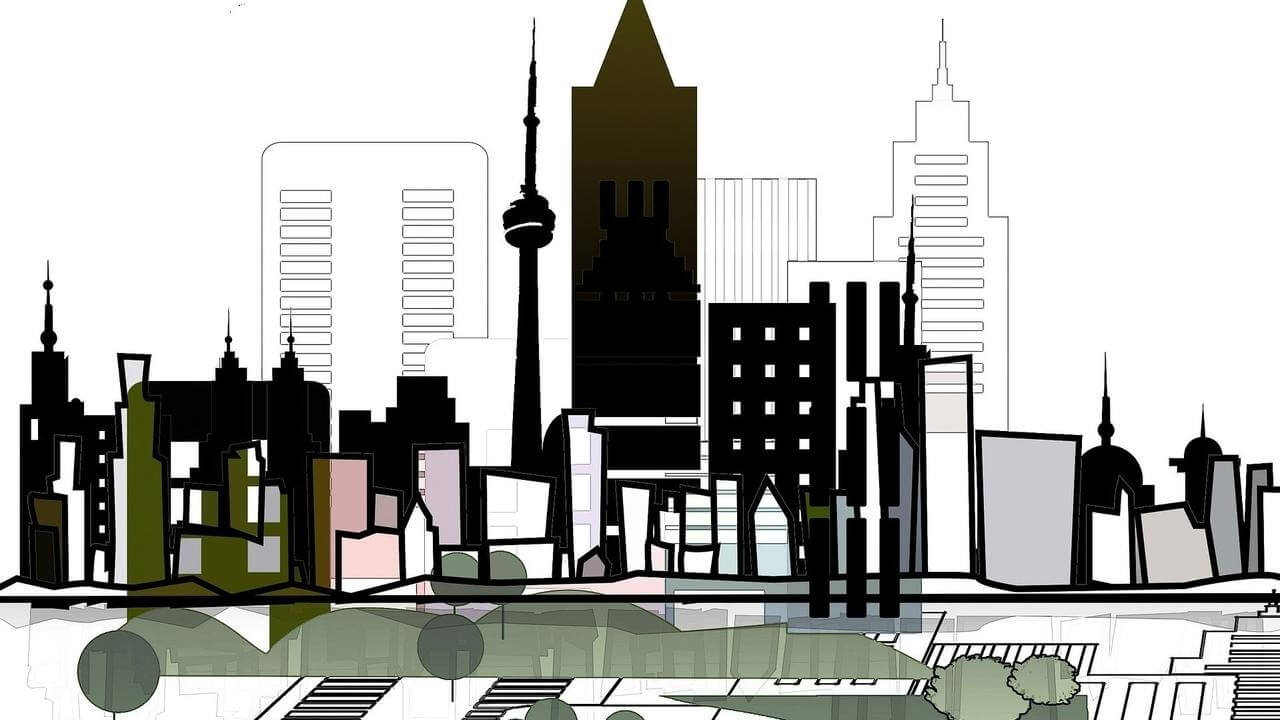
Introduction – Adaptive Urban Architecture
Urban design within cities around the world has impact upon the citizens they serve. As environmental designers, it is important to continuously evolve how cities beneficially influence citizens as they live their daily lives within these urban areas. A critical way by which to accomplish this is to design urban architecture within such cities so they cooperate and collaborate together to yield a relationship of co-creation with their inhabitants. Doing this will help a city to improve not only the functionality of its many interconnected systems, but also the evolutionary growth of how a city can improve that functionality over time to serve its citizens even better. For this, it is imperative to unlock new and improved ways for urban populations to communicate with urban architecture to ensure that environmental change and adaptability pulls from the wisdom of people.
Urban Design Elements Impacting Citizen Behavior
With urban environments, many city systems work together striving to uplift quality of life for citizens. For example, buildings, sidewalks, roadways, transportation, and even nature areas are all important systems to design strategically in ways that feed into improved urban life quality. Such urban architecture systems can further be thought of as urban design elements that together work to impact and influence citizen behaviors. For instance, the urban design of how buildings, sidewalks, roadways, transportation, and nature areas work together is critical to help grow green behaviors among citizens to help a city and its governance achieve higher levels of sustainability. Furthermore, the design of urban architecture as both a system and element of a successful city is important to get right – especially as that urban built environment is designed to change dynamically as it adapts over time. After all, an adaptive urban architecture is a primary key to making cities more resilient places where people can truly thrive.
An Urban Design Concept to Make Cities More Adaptive
To grow the success of urban architectural adaptability, it becomes important to think of urban design through a lens of co-creation – where the built environment enters into a two-way dialogue with citizens to optimize urban design for evolutionary growth of the city together with its citizens. This urban design concept calls for city planners and architects to create buildings that optimize themselves over time by adapting to the evolving needs, challenges, and goals of the population (for both individuals and the collective). To do this, such urban architecture needs to function as a “bridge” that allows citizens to impact and influence its own design, in real-time. To create such a bridge, emerging technologies can be used to leverage the sensemaking of data from citizen behaviors, ideas, and experiential insights. One such technology that will greatly help with this effort is: augmented reality, where the virtual can converge with the physical in new ways.
Urban Design Process - Fusing Virtual with Physical
As urban architecture within cities becomes more adaptive, a new kind of fluid flexibility will emerge to uplift citizen life beyond mere well-being, into higher levels of thrivability. The two-way dialogue between urban architecture and citizens creates a framework so not only can great design beneficially impact citizens, but those citizens can also beneficially impact their own environment in new and even more creative ways. This creates a positive feedback cycle that optimizes urban living in ways that positively grow city beauty, functionality, and inherent culture. The key is to leverage emerging technology, such as augmented reality, in ways that unleash the new possibilities they bring. In this way, urban architecture can not only serve occupants more innovatively at the individual level, but can also serve entire urban areas more innovatively at the collective level.
Conclusion – The City that Listens
To view urban architecture as the result of a design process of co-creation fundamentally shifts how it can be used to bring higher levels of thrivability to citizens. By integrating citizen ideas, behaviors, and experiential insights into how such urban systems and elements adapt, the city becomes a more joyous, peaceful, healthier, and inspiring place to live. This is how urban architecture can help cities to reach these higher levels – by pulling from the wisdom and ingenuity of its citizens through its buildings, that together act as a bridge that opens communication between people and city. This is the process of co-creation that urban designers, architects, and governance can strategically use to ensure cities help citizens to not only achieve comfort, but to thrive because the city personalizes itself through adaptation to their specific needs, challenges, and goals. This is a city that listens, thinks, and responds.
Image Credit: © Geralt | Pixabay











Maria Lorena Lehman has received the following awards and has been seen in the following publications: