Pantheon of Wonder
Essay

The Value of User Control within Smart Spaces
by Maria Lorena Lehman
Smart Environment
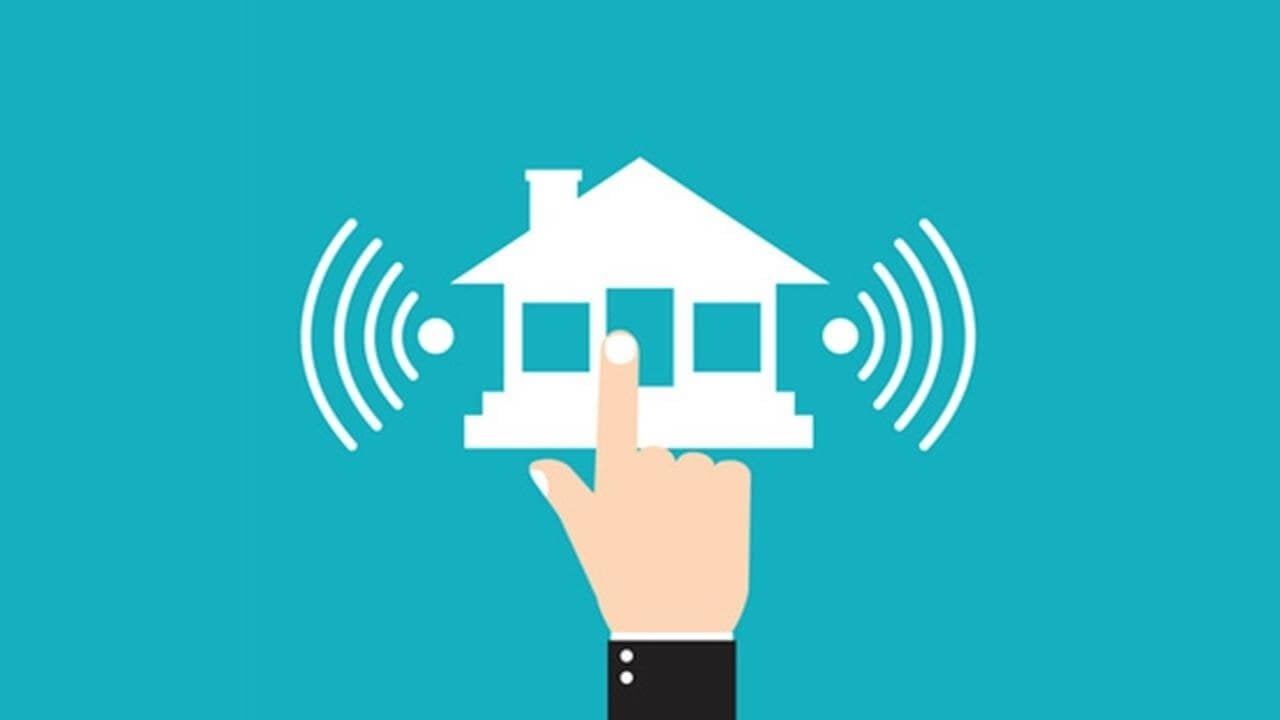
User Control Can Be Nuanced
Frequently, there are benches and chairs located in public spaces like parks, plazas, and restaurants. And often these chairs are bolted to the ground to prevent users from rearranging or stealing them. When a user sits in one of these chairs, they must adapt to the conditions set by the chair. This chair is constrained, in that it cannot be moved. Yet, when similar other chairs are not bolted to the ground and can be moved, just about every user actually moves that chair before sitting — even if they only move it a few inches. This shows the importance of user control within environments.
With the proliferation of smart spaces that are automated it is important to embed certain control points within the design system. And such control points can occur at either macro or micro scales. In the chair example described above, users only need to move a chair a few inches in most cases. But this slight movement makes all the difference. Thus, there are times when smart spaces may need user intervention or user feedback to help the system become smarter. Additionally, control over one’s environment may actually help an occupant to feel better about it.
User Control Can Make Design Smarter
Giving an occupant power to change some aspects of their environment could go a long way in helping them to feel not only more comfortable, but also like they have a role in shaping their own context. Thus, environments that do everything for occupants may not actually help occupants in the best way possible. Instead, it is better to design smart spaces that encourage occupants with interactive and/or adaptive systems that allow for occupant feedback and control at certain points.
By allowing smart spaces and user control points to coexist, it becomes possible to create environments that are even more responsive to the ever changing contexts which surround them. Building occupants can help the architecture to function better through control points, and the architecture can help the building occupants to uplift their own quality of life. It becomes a win-win situation.
User Control and Smart Design Are Not Opposites
When designing, remember that your building occupants and their behavioral choices become a part of your design once it is in use. Thus, it becomes helpful to think along these lines when designing — to factor for how your smart spaces will communicate with occupants. Smart spaces should not be solely about forcing occupants to live in an automated environment where they have to adjust themselves to it in order to be most comfortable. Instead, smart spaces can invite occupants to interact with its systems in order to fuel more of a two-way communication between environment and occupant.
User control and smart space design are not opposite conditions that an architect must choose between. Instead, these two states can exist together within the same environment — supporting one another with each interaction.
Image Credit: © Seraphim Vector | Fotolia











Maria Lorena Lehman has received the following awards and has been seen in the following publications: