Pantheon of Wonder

Essay

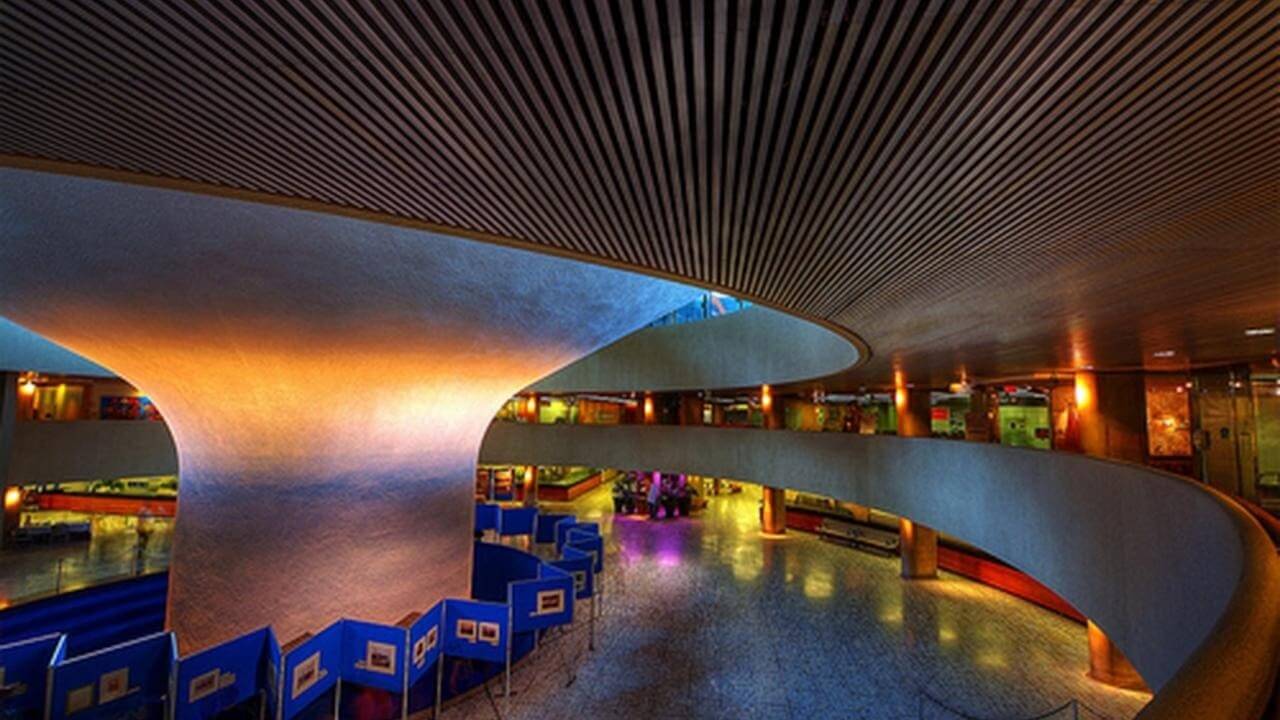
Abstraction of Colorful Light

Why Lacking Creative Vision Will Hurt Your Architectural Design

by Maria Lorena Lehman

Architectural Design
Architecture Drawing

At the outset of your architecture project, you have the most leverage. Changes you make at this point cost less, and testing out variations of your creative vision early on will help to ensure that your building project is the best possible solution for your client and its future building occupants. But that is not all — a well thought out creative vision will also help your building project to survive the various phases of review by client, boards, and committees. Thus, your creative vision is what will guide design decisions throughout the design and review process so your building concept doesn’t get chiseled away as the project goes on.

When an architect lacks a well thought out creative vision, the entire architecture project suffers. Not only will such a building lack in its functionality and beauty, but the cost and quality of the project will suffer as well. You see, creative vision is about solving for your building’s concept with an eye toward how that concept will look, feel, and behave — not only once newly built, but also long after it has been built. Also, creative vision is about understanding how a design will impact its occupants experientially. By understanding the effects that a building should have on its occupants, a creative vision can be born — giving design life and inspiration to an otherwise boring and purposeless project.

Improve Your Creative Vision in 3 Steps

Creative vision is important for architects to develop because, without it, your building project will suffer. So, what are some steps to help you develop and fine-tune your creative vision?

  • Step 1) Carry-Out Design Iterations: By exploring and refining your design ideas, you will hone in on the best design solution by which to base our creative vision.

  • Step 2) Analyze Your Body of Work: By making each project you undertake better than the last, your creative vision for architecture projects should improve — see if there is anything that has been missing or that can be done better within your previous projects.

  • Step 3) Research Future Trends: By understanding how architecture is evolving, and how cultures and technologies are changing, you can refine your ability to come up with great creative visions. Stay on the pulse of where architectural, cultural, and technological issues are headed.

As you can see, developing the skills and talent to come up with incredible creative visions is not always easy — but with practice and some thought, an excellent creative vision can boost your architectural project, giving you much needed leverage early on. The three steps listed above are only the beginning — be creative with finding new ways to inspire, spark, and research your design visions.

Image Credit: © Paul Bica | Flickr

Your invitation:


Dear reader,


I believe life is a continual process of awakening. As the journey of my own life continues, I always find myself connecting my experiences, studies, and ideas to new creative projects that bring beauty, inspiration, and hope for our world. For over 30 years, since starting at age 17, I have immersed myself in architectural design; and early on, I earned a Master of Design with Distinction from Harvard University, setting the foundation for decades of deep immersion in the field. Yet even before this, I held music close to my heart. At the age of 5, I began my first piano lessons; and since then, I began to see the world through a musical lens — even while designing architecture.


Over the decades, I grew closer and closer to music with a deep love for the design of instruments, their unique timbres, and for all the immersive ways their sounds could be interwoven into beautiful orchestrated compositions. I even began to develop a musical composition methodology, Spatial Symphonics, as I found my architectural design work becoming more and more emotive, soul-stirring, and yes: musical.


In recent years, I finally turned my full attention to music composition. I hold a Graduate Diploma from the Film Scoring Academy of Europe where my works have been recorded by the acclaimed European Recording Orchestra (ERO), and I am founder of MLL ATELIER® — an award-winning studio now dedicated to my work as an orchestral composer and spatial symphonist.


It is my hope that I can share my ongoing musical journey with you, directly from my studio through my video-newsletter entitled 'Orchestral Notes'. Expect video updates filled with first-access studio news announcing: album releases, concert premiers, sheet music publications, creative process sneak-peeks, and my own compositional philosophies as they develop to fuel my ongoing body of musical works.


I would love for you to join me for this exciting new chapter.


Simply click the button below to join my Orchestral Notes video-newsletter delivered every two weeks directly to your email inbox. Plus, get access to the full publication archives.

Let’s enjoy the beauty, inspiration, and hope that music brings.


Thank you for joining me on this wondrous journey.


Warmly,

Maria Lorena Lehman


Founder of MLL ATELIER® | Orchestral Notes

Your invitation:


Dear reader,


I believe life is a continual process of awakening. As the journey of my own life continues, I always find myself connecting my experiences, studies, and ideas to new creative projects that bring beauty, inspiration, and hope for our world. For over 30 years, since starting at age 17, I have immersed myself in architectural design; and early on, I earned a Master of Design with Distinction from Harvard University, setting the foundation for decades of deep immersion in the field. Yet even before this, I held music close to my heart. At the age of 5, I began my first piano lessons; and since then, I began to see the world through a musical lens — even while designing architecture.


Over the decades, I grew closer and closer to music with a deep love for the design of instruments, their unique timbres, and for all the immersive ways their sounds could be interwoven into beautiful orchestrated compositions. I even began to develop a musical composition methodology, Spatial Symphonics, as I found my architectural design work becoming more and more emotive, soul-stirring, and yes: musical.


In recent years, I finally turned my full attention to music composition. I hold a Graduate Diploma from the Film Scoring Academy of Europe where my works have been recorded by the acclaimed European Recording Orchestra (ERO), and I am founder of MLL ATELIER® — an award-winning studio now dedicated to my work as an orchestral composer and spatial symphonist.


It is my hope that I can share my ongoing musical journey with you, directly from my studio through my video-newsletter entitled 'Orchestral Notes'. Expect video updates filled with first-access studio news announcing: album releases, concert premiers, sheet music publications, creative process sneak-peeks, and my own compositional philosophies as they develop to fuel my ongoing body of musical works.


I would love for you to join me for this exciting new chapter.


Simply click the button below to join my Orchestral Notes video-newsletter delivered every two weeks directly to your email inbox. Plus, get access to the full publication archives.

Limited availability each month.


Warmly,

Maria Lorena Lehman


Founder of MLL ATELIER

Author of PANTHEON OF WONDER

Maria Lorena Lehman has received the following awards and has been seen in the following publications: