Pantheon of Wonder

Essay

Abstraction of Colorful Light

Boost Employee Productivity in Your Office Layout Design

by Maria Lorena Lehman

Building Green
Architecture Drawing

Many people purposely seek out nature in order to experience its beauty and learn from it. Of course, for designers, biomimicry involves the understanding of nature as interpreted into design. But I ask, what are other ways that you can learn from nature to really push the way you think about what your occupants do within your buildings? And how can you use nature to find new ways to promote issues like learning and productivity within an office building and its office layout design?

Well, there are ongoing studies which find that typical office buildings are actually not the most conducive of spaces to promote a good work environment that encourages natural productivity, attention, and focus amongst its occupants. However, what has been found, is that by going for a walk in nature (by taking a 20 to 50 minute break from work) can actually improve your memory, attention and focus — thereby making you more productive at work. (2)

Specifically, University of Michigan psychology researchers found that “memory performance and attention spans improved by 20 percent after people spent an hour interacting with nature.” And similarly, a study was done where occupants looked at pictures of nature as compared to urban pictures, and it was found that those that looked at the nature pictures improved their memory and attention scores by approximately 20%. Those that viewed the urban photos did not gain any improvements. (1)

Tips on Integrating Nature into Your Office Layout Design

I think this is quite important information for you as an architect to truly grasp. So often, work environments are equated to more of a machine-like setting, where technology seems to take over — where all of the computers, printers, conference room technologies (and so on), abound throughout the office building. Now, I’m not saying that technology is bad, but rather that you should consider having nature take its appropriate place within your work environment designs.

As an architect, you may want to include nature, not as a last-minute injection into the design space, but as a thoughtful integration which is just as much a part of an employee’s day as the computer on their desk, or that cup of coffee which they often sip throughout their busy work day.

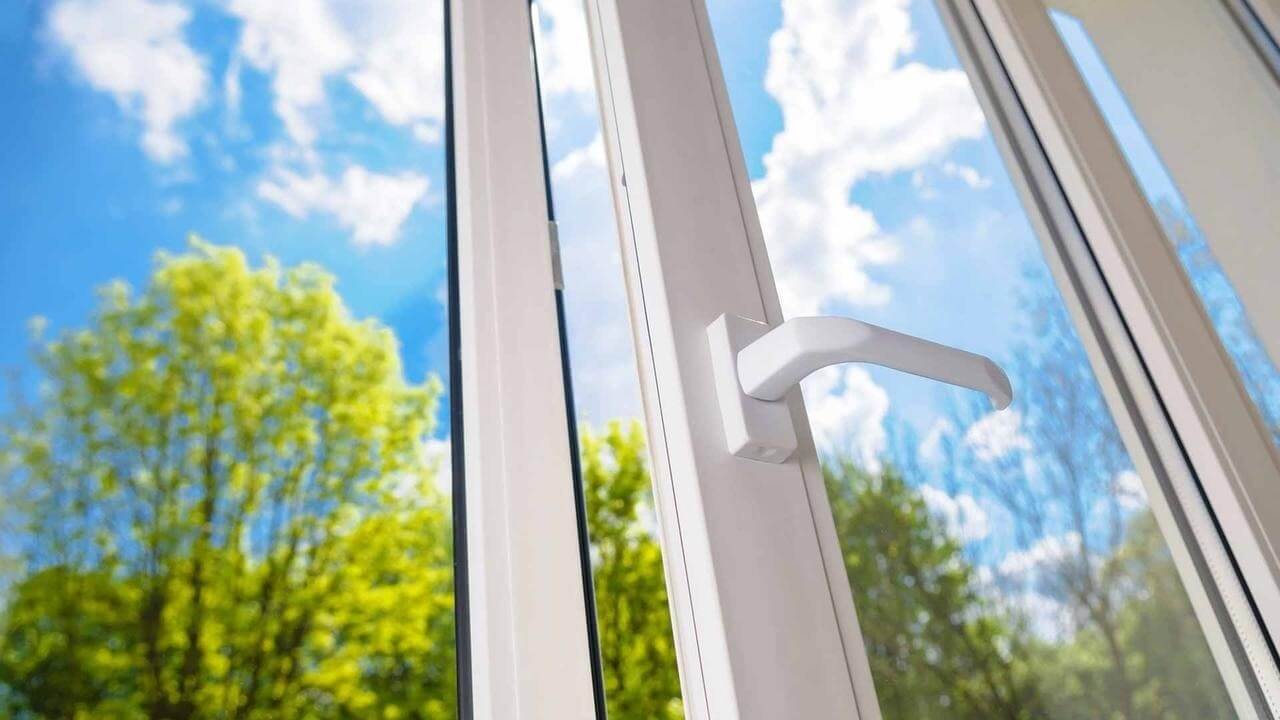
To integrate nature within your design, you can walk yourself through the typical narrative that employees and other occupants within your office building will go through on a daily basis. This would be a good starting point for you to begin to find those in-between moments where nature will really make a difference. Also, a view of nature as might be provided by an office window can be of great help to an employee throughout the day.

Also, providing a place within an office building where occupants can go outside to take that break, as even during winter months, it has been shown that memory and attention can be improved by those that experience that brisk outdoor nature. (1) Another thing to consider as you design, are the findings that the greater variety of nature (different plant/flower species, etc.) that you provide for your occupants, the better its positive effects will be — in increasing their productivity effects (attention, focus and memory). (2)

So, the next time you create an office layout design, do not simply think about “productivity” defined as an employee working within their office at their desk all day, multi-tasking and jumping from one deadlined task to the next without end. Your occupants are not machines, and they will actually perform better if given the freedom and flexibility, through a designed space, by which they can experience a rich and varied nature, whether that means going outside to be within it or by experiencing natural or even virtual views of nature while within the their building or their office.

The key is to design workplaces that lessen employee stress and give them and environment that not only inspires them, but also empowers them to think more clearly, more alertly and with an improved memory — all things that will help a business to grow while keeping its workers healthier and happier.

By the way…this also impacts your own office. How often to you interact with nature during your workday?

References:

1) Going Outside — even in cold — Improves Memory, Attention. University of Michigan. Dec. 16, 2008

2) Graham, Laster. Interview: Nature Improves Productivity. Then Environment Report. March 2, 2009.

Your invitation:


Dear reader,


I believe life is a continual process of awakening. As the journey of my own life continues, I always find myself connecting my experiences, studies, and ideas to new creative projects that bring beauty, inspiration, and hope for our world. For over 30 years, since starting at age 17, I have immersed myself in architectural design; and early on, I earned a Master of Design with Distinction from Harvard University, setting the foundation for decades of deep immersion in the field. Yet even before this, I held music close to my heart. At the age of 5, I began my first piano lessons; and since then, I began to see the world through a musical lens — even while designing architecture.


Over the decades, I grew closer and closer to music with a deep love for the design of instruments, their unique timbres, and for all the immersive ways their sounds could be interwoven into beautiful orchestrated compositions. I even began to develop a musical composition methodology, Spatial Symphonics, as I found my architectural design work becoming more and more emotive, soul-stirring, and yes: musical.


In recent years, I finally turned my focus to music composition. I hold a Graduate Diploma from the Film Scoring Academy of Europe where my works have been recorded by the acclaimed European Recording Orchestra (ERO), and I am founder of MLL ATELIER® — an award-winning studio now dedicated to my work as an orchestral composer, recording artist, and spatial symphonist — where I advance architectural design through music, and innovate music through an architectural design lens.


It is my hope that I can share my ongoing musical-design journey with you, directly from my studio through my video-newsletter entitled 'Orchestral Notes'. Expect video updates filled with first-access studio news announcing: album/book releases, concert premiers, sheet music publications, creative process sneak-peeks, and my own compositional philosophies as they develop to fuel my ongoing body of musical and architectural authorial works.


I would love for you to join me for this exciting adventure.


Simply click the button below to join my Orchestral Notes video-newsletter delivered every two weeks directly to your email inbox. Plus, get access to the full publication archives.

Let’s enjoy the beauty, inspiration, and hope that music brings.


Thank you for joining me on this wondrous journey.


Warmly,

Maria Lorena Lehman


Founder of MLL ATELIER® | Orchestral Notes

Your invitation:


Dear reader,


I believe life is a continual process of awakening. As the journey of my own life continues, I always find myself connecting my experiences, studies, and ideas to new creative projects that bring beauty, inspiration, and hope for our world. For over 30 years, since starting at age 17, I have immersed myself in architectural design; and early on, I earned a Master of Design with Distinction from Harvard University, setting the foundation for decades of deep immersion in the field. Yet even before this, I held music close to my heart. At the age of 5, I began my first piano lessons; and since then, I began to see the world through a musical lens — even while designing architecture.


Over the decades, I grew closer and closer to music with a deep love for the design of instruments, their unique timbres, and for all the immersive ways their sounds could be interwoven into beautiful orchestrated compositions. I even began to develop a musical composition methodology, Spatial Symphonics, as I found my architectural design work becoming more and more emotive, soul-stirring, and yes: musical.


In recent years, I finally turned my focus to music composition. I hold a Graduate Diploma from the Film Scoring Academy of Europe where my works have been recorded by the acclaimed European Recording Orchestra (ERO), and I am founder of MLL ATELIER® — an award-winning studio now dedicated to my work as an orchestral composer, recording artist, and spatial symphonist — where I advance architectural design through music, and innovate music through an architectural design lens.


It is my hope that I can share my ongoing musical-design journey with you, directly from my studio through my video-newsletter entitled 'Orchestral Notes'. Expect video updates filled with first-access studio news announcing: album/book releases, concert premiers, sheet music publications, creative process sneak-peeks, and my own compositional philosophies as they develop to fuel my ongoing body of musical and architectural authorial works.


I would love for you to join me for this exciting adventure.


Simply click the button below to join my Orchestral Notes video-newsletter delivered every two weeks directly to your email inbox. Plus, get access to the full publication archives.

Limited availability each month.


Warmly,

Maria Lorena Lehman


Founder of MLL ATELIER

Author of PANTHEON OF WONDER

Maria Lorena Lehman has received the following awards and has been seen in the following publications: